Wednesday, November 12, 2025

5 Healthy Breakfast Recipes You Can Make in 15 Minutes (With Tools I Use Daily)


Mornings can get hectic but that doesn’t mean you have to skip breakfast. 

I’ve put together five of my favorite healthy breakfasts that take just 15 minutes or less! Each one is quick, delicious, and made easier.

🥑 Recipe 1: Avocado Toast with Egg

Why you’ll love it: High in protein and healthy fats, keeps you full for hours.
What you need:

  • Whole grain bread

  • 1 ripe avocado

  • 1 egg

  • Salt, pepper, chili flakes

Prep time: 10 minutes


🍓 Recipe 2: Greek Yogurt Parfait

Why you’ll love it: A grab-and-go breakfast packed with protein and probiotics.
What you need:

  • Greek yogurt

  • Fresh berries

  • Honey

  • Granola

Prep time: 5 minutes


🍌 Recipe 3: Banana Oat Smoothie

Why you’ll love it: Perfect for busy mornings — blend and go!
What you need:

  • 1 banana

  • ½ cup oats

  • 1 cup milk (or almond milk)

  • 1 tbsp peanut butter

Prep time: 5 minutes


🍳 Recipe 4: Veggie Egg Muffins

Why you’ll love it: Great for meal prep — bake once, eat all week.
What you need:

  • Eggs

  • Chopped veggies (bell peppers, spinach, onions)

  • Cheese

Prep time: 15 minutes


🥣 Recipe 5: Overnight Oats

Why you’ll love it: No morning prep required — ready when you wake up.
What you need:

  • Oats

  • Milk

  • Chia seeds

  • Fruit or nuts

Prep time: 5 minutes (then chill overnight)


Healthy breakfasts don’t have to be complicated or time-consuming. With just a few simple tools and fresh ingredients, you can start every morning feeling nourished and ready to go. Try one of these recipes tomorrow and taste how easy healthy eating can be!


Easy Recipes, Breakfast Ideas, French Toast, Quick Meals, 15-Minute Recipes, Healthy Breakfasts

Friday, June 13, 2025

Is Bronchitis Contagious? Important Things Seniors Need to Know

Is bronchitis contagious?

Yes, bronchitis can be contagious. If you or someone you know has the acute type of bronchitis, then that is highly contagious. 

Acute bronchitis is caused by the same virus that causes colds and flu making them highly contagious. 

You can also catch bronchitis when someone with the infection sneezes,  talks, or coughs

If an elderly person gets sick of acute bronchitis, the infection usually clears up in a few days.

Bronchitis in seniors can be particularly concerning due to their weak immune system.

While acute bronchitis usually resolves on its own within a few days, chronic bronchitis in the elderly is more serious and can lead to complications. 

Seniors may experience a persistent cough, shortness of breath, wheezing and fatigue. 

Bronchitis in seniors often presents with subtle symptoms but can lead to dangerous complications like pneumonia, chronic obstructive pulmonary disease (COPD), and even hospitalization if not addressed early. 

Many older adults take the warning signs for granted assuming that these are merely seasonal but for seniors, bronchitis can be far more serious.


Causes of acute bronchitis

  •  Viral infection. Acute bronchitis can be caused by a virus, the same virus that causes colds and flu.
  • Bacterial infection. Bronchitis caused by bacteria is less common, but some cases can be caused by bacterial infection especially if the illness worsens after a few days.

  • Irritants. Inhaling smoke, fumes, dust, or air pollutants can cause inflammation of the airways.

  • Exposure to cold air. Cold air can aggravate respiratory symptoms especially in vulnerable seniors.


Causes of Chronic Bronchitis

Chronic bronchitis is a long-term disease than acute bronchitis and often a part of Chronic Obstructive Pulmonary Disease (COPD):

  • Smoking. This is the number one cause of chronic bronchitis. Exposure to secondhand smoke increases the risk of contracting the disease.

  • Air pollution and workplace exposure to chemicals.  Long-term exposure to chemicals, dust, or toxic fumes.

  • Repeated respiratory infections.  Seniors who frequently get colds or flu are more likely to develop chronic bronchitis over time.

  • Underlying health conditions. Conditions like asthma or immune disorders can contribute to chronic inflammation in the lungs.


Symptoms of Bronchitis

Persistent cough (with or without mucus)

Chest discomfort or tightness

Wheezing or noisy breathing

Shortness of breath, especially with mild activity

Low-grade fever and chills


Thursday, May 8, 2025

Bruce Willis, From Hollywood Legend to a Life in the Shadows


On March 22, Bruce Willis stopped making movies when he was diagnosed with aphasia.

Aphasia is a neurological disorder that makes talking, reading, listening, and writing difficult. It happens specifically in the language center located on the left side of the brain.

It can result from a stroke, brain tumor, brain infection, and aneurysm. It can happen after brain surgery, and migraine, and it could possibly be congenital.

Bruce’s family, however did not provide any information on what really caused his aphasia.

What actually happened to Bruce’s brain that resulted to aphasia?

An article published by the National Library of Medicine says that aphasia is caused by lesions that have developed in the language areas of the brain called the Brocka and Wernicke areas, and arcuate fasciculus.

The Brocka area of the brain is responsible for producing speech and the Wernicke area is responsible for understanding language.

Any disconnection between these two functions will enable the patient to say what he wants to say but cannot find the right words to express it, or his words will not make sense at all.

The Willis family hasn’t publicly shared the exact cause of Willis’ frontotemporal dementia (FTD), but here’s what can be said about his condition based on a typical pattern of the disease.

Unlike aphasia caused by stroke, frontotemporal dementia (FTD) develops gradually, brought about by a combination of genetics and the abnormal build-up of protein in the brain.

In the case of Willis, what happened was that the family first noticed a change in his speech then the symptoms got worse over time.

The doctor’s final diagnosis is that he has frontotemporal dementia (FTD) indicating that his brain’s frontal and temporal lobes are slowly deteriorating.

Abnormal build up of proteins in the brain is the main reason why people suffer from frontotemporal dementia. The proteins TAU, TDP 43, FUS form clumps and tangles in the brain cells that eventually lead to death of brain cells.

While frontotemporal dementia, or dementia in general is not totally preventable, there are important things that the younger generation can do to reduce the risk of contracting this disease.

  • Stay mentally active by learning new skills, by reading, and by solving puzzles
  • Protect your head from trauma and other types of injury that will cause the brain cells to die
  • Stay physically active. Exercise regularly. Exercise promotes blood flow to the brain, thus delaying the onset of memory loss and improves the ability to think. Exercise also stimulates the release of endorphins, the feel-good hormones.
  • Eat the types of food that are good for the brain like vegetables, fruits, fish, berries, and even the healthy kind of fat
  • Get enough sleep. Lack of sleep adversely affects brain activity and is linked to memory issues. Prolonged lack of sleep hastens the build up of harmful proteins in the brain.
  • Watch your mental health. Know the early signs of depression, anxiety, and stress so you can seek help if and when necessary. Always prioritize self-care. Love and care for yourself first so you may be able to help others when that time comes.
  • If there’s a family history of dementia, be proactive with early screening and lifestyle changes.

Wednesday, October 31, 2018

Why Is Green Tea Good For You

Green Tea is good for you because it helps prevent cancer.

How does green tea prevent cancer?

Our body produces various enzymes and one of them is called urokinase.

Urokinase is an enzyme that helps in the production and spread of cancer cells.

Benefits of drinking green tea.

  • Green tea helps prevent the multiplication and spread of cancer cells in our body. 
  • It helps stop the multiplication and growth of cancer cells that cause damage to our body. This is the reason why drinking green tea regularly is good for the body.


Green tea has become an overnight sensation because of its ability to protect the body against cancer, inflammation, radiation, and free radicals

It contains more antioxidants than vitamin C because it contains the substance epigallocatechin gallate (EGCG).

Green tea also contains three other important catechins, epicatechin (EC), epicatechin gallate (ECG), and epigallocatechin (EGC).

Green tea protects the body from cancer by inhibiting the release of urokinase, an enzyme that cause the growth of cancer cells, invade healthy cells and promote metastasis

Inhibiting the release of urokinase reduces the size of tumors and has in fact shown to completely remove tumors in laboratory animals.  

The phenolic catechin, epigallocatechin gallate (EGCG) in green tea is responsible for protecting the body against oxidative stress by acting as a scavenger, completely removing toxins from the body.

Green tea extract protects the body from cancer and radiation. EGCG lowers down the production of reactive oxidation species (ROS), decreases the incidence of apoptosis due to ultra violet A (UVA) rays and protects the DNA against oxidative damage caused by UVA.

Green tea extract protects against inflammation by reducing fat peroxidization, reducing the amount of nitric acid and oxidative stress. EGCG prevents the invasion of leukocyctes and prevents the production of reactive oxidation species (ROS) in the skin.

Friday, October 26, 2018

WHAT IS GESTATIONAL DIABETES


Gestational Diabetes


Gestational diabetes is a health condition wherein a woman who is not sick of diabetes at all develops a high amount of sugar in the blood during pregnancy and usually goes away after pregnancy

What causes blood sugar level to rise during pregnancy?

Hormonal changes during pregnancy is the main reason why there's an increase in sugar level in the blood. Hormones like human placental lactogen (HPL), estrogen, and cortisol are produced by the placenta to protect and help the baby grow.

In normal conditions, insulin helps bring the sugar into the cells to use as energy source or to use as storage. 

However, for some reasons, the cells do not respond appropriately to the presence of insulin and glucose start to accumulate in the blood causing gestational diabets. 


Sunday, December 4, 2016

Are You Currently Taking Medicines for Hypertension? - Important Things You Should Know About Your Medications


You have high blood pressure if your blood pressure reading is 140/90 or above this level.

If you have been diagnosed with high blood pressure, chances are you've been advised by your physician to change your lifestyle.

What does your doctor mean when he tells you to change your lifestyle?

Changing your lifestyle means putting an end to the things that you are currently doing that cause your blood pressure to rise.

You should stop smoking.
Stop drinking too much alcohol.
Stop eating salty and fatty food.
Stop drinking caffeinated drinks.
You should also avoid stress.

If you are currently taking medications, here are important things to know how those medications work inside your body to treat your hypertension:

1. Vasodilators. Vaso-is a prefix which means blood vessels. Dilator-means opener, expander, widener. Therefore the word vasodilator means "blood vessel widener".

Vasodilators open or widen the blood vessels making it easy for blood to flow freely through them. Vasodilators also help relax the muscles of the blood vessel walls.

These phenomena are what cause blood pressure to fall making you feel better after taking this type of medication

2.Alpha-blockers. When your body is under stress, it releases a hormone called catecholamine which causes the heart to beat more vigorously. You feel this happen when you are afraid, angry, extremely happy or threatened.

Muscles surrounding some blood vessels contain the substances called alpha adrenergic receptors that bind with catecholamine.

Once catecholamine attaches to an alpha receptor, the muscles contract, blood vessels narrow causing blood pressure to rise.

Alpha blockers help lower down blood pressure by preventing the binding of catecholamine to alpha receptors in the muscles.


Saturday, February 28, 2015

Turmeric Helps Prevent Cancer


What is turmeric?

Turmeric is a type of root crop that belongs to the ginger family. 
It has a deep yellow color and a strong odor. It is commonly used as a condiment in cooking. 

It is extensively grown in South India where it has played a major role in Indian traditional medicine.

Curcuminoids are the most important substance found in turmeric
They contain curcumin, a substance that has the ability to protect you from bacteria, from different types of viruses, and from the bad effects of air pollution. It can protect you from inflammation and from things that cause cancer.

Why is turmeric good for you?

    • Turmeric is good for you because it prevents inflammation by reducing the amount of histamine in the body; and by increasing the amount of cortisone produced by the adrenal glands.
    If turmeric can prevent inflammation then this supplement will greatly help those who suffer from arthritis, gout, and other similar illness. 

    • Recent studies showed that turmeric has the ability to treat heart and kidney diseases, some kind of cancer, and diabetes.  
    • It can prevent the clumping together of blood platelets thus promoting circulation and protecting the body from atherosclerosis.
    • It also has the ability to protect the kidneys from various harmful substances that enter the body.
    Turmeric is not recommended for pregnant women as it can cause contractions which may ultimately lead to premature labor. 
     
    In Indian traditional medicine, turmeric was used to treat common stomachaches, and other more serious stomach and liver diseases. 


    It was used to treat skin diseases which include scabies, eczema, shingles, chicken pox, and various types of allergies.

    Turmeric has also been used extensively in ancient times to treat all kinds of sores, aches, body pains.


    Where can you buy turmeric?

    You can buy turmeric in major groceries, in drug stores and in health and wellness stores all over the country. Turmeric is sold in powder form, and in capsule form as well.

    If it is not sold separately as a supplement, you can find it in the spice section of groceries and supermarkets.

    Aside from the powder form, the root crops can be found in Asian stores and in some farmers' markets. 


    Tuesday, August 26, 2014

    You Should Act Fast When Someone Around You is Having A Stroke


    Stroke is a medical emergency. It occurs when:

    1. the brain is deprived of oxygen supply due to blocked blood vessels and

    2. there is internal bleeding due to burst blood vessels.

    What to do when someone around you is having a stroke?

    You should not waste time. 

    Rush that person to the hospital immediately to avoid further damage to the brain. 

    If the brain is deprived of oxygen for one minute to one a half minutes it will stop working because the cells have been damaged and if, within 3 hours there is no medical attention given, the patient will experience severe damage that is irreversible.

    What are the signs and symptoms that a person is experiencing a stroke?

    Remember the letters F-A-S-T. You should act fast and check the 

    FACE. Deformed lips, and changes in the shape of the cheeks and eyes 

    ARMS.  One arm is hanging because of the damage in a certain part of the brain.

    SPEECH. The patient can no longer talk very clearly, his speech is slurred.

    TIME. Time is of the essence in this situation. No time should be wasted. The patient should be treated immediately as any delay can mean a lifetime of regret. 

    2 Types of Stroke

    1. Ischemic. Ischemic stroke happens when there is not enough blood flowing to the brain depriving it of much needed oxygen supply to the brain.
       
    2. Hemorrhagic. Hemorrhagic stroke occurs when blood accumulates within the skull area. This is further classified into intra-axial hemorrhage and extra-axial hemorrhage.


    Saturday, July 19, 2014

    Important Facts About Depression


    Depression as we know it today has been called "melancholia" since the ancient times. 

    If you are currently suffering from this disorder I want to tell you that up to this day, there is no definite explanation or answers to many questions that you might have regarding the disorder. 

    Even the experts have not found the exact answers to all your questions. For example, some of the questions that might be bugging you are:
    • Is the depression you are experiencing merely your over reaction to a particular mood?
    • Is it a kind of disease or is it merely your reaction to certain stimulus?
    • What could be the most effective treatment for your type of depression?
    • Can this depression you're experiencing be attributed to your biological or psychological condition? 
    Some medical experts says that depression is a psychogenic disorder which means that it is caused by emotional and mental stress, some say it is an organic disorder and a third group say it is both.

    Regardless what's causing your depression, here are 7 things that can worsen Depression
    Try to avoid them and you will be able to somehow properly deal with your sickness.

    Lack of Sleep

    Sleeping  habits that can help ease your depression 

    1. Strictly follow a consistent sleeping schedule. 


    Go to bed early and wake up at the same time every day, even on weekends, holidays, or days off to regulate your body’s internal clock. You should strictly stick to this!

    2. Create a Relaxing Bedtime Routine 


    Engage in calming activities before bed such as reading, gentle stretching, or meditation to signal your body that it’s time to sleep. This is especially true when you were busy the whole day and the energy extends after working hours. 

    Avoid using your phone, tablet, and other gadgets or watch TV at least an hour before bed, as the blue light can interfere with melatonin production. 

    3. Make Your Sleeping Environment Comfortable and Inviting 


    Use comfortable mattress and pillows that support restful sleep. 

    Make your bedroom dark (consider blackout curtains) and quiet (use earplugs or white noise machines) to create an ideal sleep environment. 

    Keep the room at a comfortable, cool temperature, ideally between 60-67°F (15-19°C). 

    4. Be Mindful of What You Eat and Drink 


    Avoid caffeine in the afternoon and evening, as it can disrupt your ability to sleep. 

    Try not to eat large meals or spicy foods within a few hours of bedtime as they can cause discomfort and disrupt sleep. 

    5. Incorporate Physical Activity 


    Engage in regular physical activity during the day, but avoid vigorous exercise close to bedtime as it may energize you and make it harder to sleep. 

    6. Manage Stress and Anxiety 


    Practice mindfulness, meditation, or deep-breathing exercises to reduce stress and promote relaxation before bed. 

    Consider writing down thoughts or worries in a journal to clear your mind and reduce anxiety before sleeping. Expressing your thoughts, your feelings, anger, frustration, and other negative thoughts greatly helps. You should also include the positive ones. Doing so would release the feel good hormones!

    7. If you need to take a nap, keep it short, about 20 to 30 minutes. 
    Avoid napping late in the day so it does not interfere with your regular night time sleep schedule. 


    8. Seek Professional Help 


    Cognitive Behavioral Therapy for Insomnia (CBT-I): If your sleep problems persist, consider seeking therapy specifically designed to address insomnia, which can be effective in managing both sleep and depression. Consult your family physician for the appropriate therapy.

    Stress

    Another thing that makes your depression worse is STRESS.

    Health experts describe stress as the body's physical and mental response to the many challenges we face in daily life.

    We experience stress when we perceive that that demands of a situation is beyond our capacity to respond or cope with these demands. 

    The short episodes of stress that you experience can be considered positive. It motivates you to achieve something worthwhile, it gives you energy, and helps you avoid potential danger. 

    Stress becomes an issue when it is prolonged, severe, and when you're not able to appropriately cope with the stressful situation. 

    When you are stressed out, the body releases the hormones adrenaline and cortisol considered harmful to the body. 

    These hormones increase heart rate, blood pressure, and causes muscle manifested as worry, irritability, and not able to focus on any activity. 

    These are the reasons why when you are stressed, you experience a mix of different emotions. You worry a lot, you become restless, your heart beats faster, you cannot eat, you're out of focus and you cannot sleep.

    Certain Types of Food

    When you are feeling down avoid these types of food, as much as possible: 

    • processed food such as processed meat and cold cuts  
    • food high in sugar and artificial sweeteners 
    • trans fats found in fried and frozen food 
    • French fries, and most of those served in fast food restaurants.

    Too much sugar causes inflammation in the body disrupting brain and gut health, the same with processed food and those that contain trans fats. 

    When a part of your body is inflamed, chemicals like serotonin, prostaglandins, and bradykinin directly stimulates pain receptors causing pain in the body making you more depressed and downtrodden.

    So, better avoid too much sweet when you are feeling down, sad, and lonely. Also try to eat food that is prepared at home. 


    Wednesday, April 23, 2014

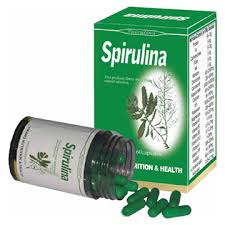
    Did You Know that Spirulina Prevents Anemia?


    First of all, what is spirulina? 

    Spirulina is an algae, a type of plant that thrives in sea water.   

    Spirulina is known to be very rich in iron. In fact, it has 58 times more iron than raw spinach and 28 times more than raw beef liver. We thought all along that beef liver is the best source of iron. However with this new development, spirulina now has the reputation of having a very high iron content than those foods that our mothers used to feed us to prevent iron deficiency.

    Why is iron so important and why do we need this important mineral in our diet?

    Iron protects the body from anemia which occurs when the body does not get enough of the amount needed in order for the body to function properly.

    Anemia is a disease that involves the blood particularly a problem in the manufacture of hemoglobin, the part of the blood that contains iron and transports blood within the red blood cells. This defect results in the production of red blood cells that are smaller and whose hemoglobin content is significantly reduced.

    How do you know you lack iron in your diet?

    You will know your body needs a dose of iron if you have these symptoms:

    1. Tiredness and fatigue
    2. Lethary (body has very low energy )
    3. Restless leg syndrome
    4. Dizziness and headaches
    5. Ringing in the ears (tinnitus)
    6. Shortness of breath
    7. Impaired taste buds
    8. Cracked mouth corners
    9. Very pale skin and conjunctiva of the eyes
    10. Brittle and flat nails.

    Friday, April 18, 2014

    How Spirulina Keeps You In Good Health


    Spirulina comes from a class of bacteria that gets their energy from sunlight. It can be found in many places in land and in water such as lakes, seas and oceans, bare soil and rocks, and moist areas in desert lands.

    Spirulina contains the following substances that are good for you:

    It contains 60% proteins and all the 8 essential amino acids
    It contains a significant amount of beta carotene
    It is considered the best source of gamma linoleic acid.
    It is a good source of vitamin B, trace elements, chlorophyll, enzymes and minerals.
    Spirulina contains vitamins B1, B2, B3, B6, and vitamin B9. It is also rich in vitamin A, C, D and vitamin E and a rich source of potassium, sodium, calcium, phosphorous, selenium, zinc, chromium, copper, iron, manganese and magnesium.

    It also contains beta-carotene, in fact 3100% more beta-carotene than carrots, chlorophyll and other types of microscopic algae. It is a rich source of the fatty acids found in fish such as eicosapentaenoic acid, and docosahexaenoic acid, gamma-linolenic acid, linoleic acid, alpha-linoleic acid, stearidonic acid and arachidonic acid.

    Spirulina is an effective chelating agent. It removes toxic minerals and radioactive substances from the body.

    It protects the heart against damage caused by chemotherapy, protects against memory loss due to aging, lateral sclerosis and hay fever.

    Experiments conducted on laboratory animals show that spirulina does not participate in the body’s metabolism and therefore does not contribute to a person’s weight loss efforts in other words spirulina does not help you lose body fats. 


    Some people with business interest in spirulina claim that it is a good source of vitamin B12. However, the American Dietetic Association and the Dietitians of Canada declared that spirulina is actually not a reliable source of vitamin B12 because its content is a pseudovitamin B12 which is not used for human consumption.