Saturday, July 19, 2014

Important Facts About Depression


Depression as we know it today has been called "melancholia" since the ancient times. 

If you are currently suffering from this disorder I want to tell you that up to this day, there is no definite explanation or answers to many questions that you might have regarding the disorder. 

Even the experts have not found the exact answers to all your questions. For example, some of the questions that might be bugging you are:
  • Is the depression you are experiencing merely your over reaction to a particular mood?
  • Is it a kind of disease or is it merely your reaction to certain stimulus?
  • What could be the most effective treatment for your type of depression?
  • Can this depression you're experiencing be attributed to your biological or psychological condition? 
Some medical experts says that depression is a psychogenic disorder which means that it is caused by emotional and mental stress, some say it is an organic disorder and a third group say it is both.

Regardless what's causing your depression, here are 7 things that can worsen Depression
Try to avoid them and you will be able to somehow properly deal with your sickness.


Sleeping  Habits That Can Effectively Help Ease Your Depression 


1. Strictly follow a consistent sleeping schedule. 


Go to bed and wake up at the same time every day, even on weekends, holidays, or days off to regulate your body’s internal clock. You should strictly stick to this!

2. Create a Relaxing Bedtime Routine 


Engage in calming activities before bed such as reading, gentle stretching, or meditation to signal your body that it’s time to sleep. This is especially true when you were busy the whole day and the energy extends after working hours. 

Avoid using your phone, tablet, and other gadgets or watch TV at least an hour before bed, as the blue light can interfere with melatonin production. 

3. Make Your Sleeping Environment Comfortable and Inviting 


Use comfortable mattress and pillows that support restful sleep. 

Make your bedroom dark (consider blackout curtains) and quiet (use earplugs or white noise machines) to create an ideal sleep environment. 

Keep the room at a comfortable, cool temperature, ideally between 60-67°F (15-19°C). 

4. Be Mindful of What You Eat and Drink 


Avoid caffeine in the afternoon and evening, as it can disrupt your ability to sleep. 

Try not to eat large meals or spicy foods within a few hours of bedtime as they can cause discomfort and disrupt sleep. 

5. Incorporate Physical Activity 


Engage in regular physical activity during the day, but avoid vigorous exercise close to bedtime as it may energize you and make it harder to sleep. 

6. Manage Stress and Anxiety 


Practice mindfulness, meditation, or deep-breathing exercises to reduce stress and promote relaxation before bed. 

Consider writing down thoughts or worries in a journal to clear your mind and reduce anxiety before sleeping. Expressing your thoughts, your feelings, anger, frustration, and other negative thoughts greatly helps. You should also include the positive ones. Doing so would release the feel good hormones!

7. If you need to take a nap, keep it short, about 20 to 30 minutes. 
Avoid napping late in the day so it does not interfere with your regular night time sleep schedule. 


8. Seek Professional Help 


Cognitive Behavioral Therapy for Insomnia (CBT-I): If your sleep problems persist, consider seeking therapy specifically designed to address insomnia, which can be effective in managing both sleep and depression. 


Another thing that makes your depression worse is STRESS.

Health experts describe stress as the body's physical and mental response to the many challenges we face in daily life.

We experience stress when we perceive that that demands of a situation is beyond our capacity to respond or cope with these demands. 

The short episodes of stress that you experience can be considered positive. It motivates you to achieve something worthwhile, it gives you energy, and helps you avoid potential danger. 

Stress becomes an issue when it is prolonged, severe, and when you're not able to appropriately cope with the stressful situation. 

When you are stressed out, the body releases the hormones adrenaline and cortisol. This increases heart rate, blood pressure, and causes muscle tension manifested as worry, irritability, and not able to focus on an activity. 

These are the reasons why when you are stressed, you experience a mix of different emotions - you worry a lot, you become restless, you heart beats faster, you cannot eat, you're out of focus and you cannot sleep.


What can you to do to avoid stress?


  1. Take care of yourself. 
  2. I think this is the most important thing that you should do first of all. Self care is the key. 
  3. If you are a busy mom, you should hire someone to help in looking after the kids and to help in doing house work. You will feel a lot better when you know that someone is there to help and to keep you company. The mere presence of that person means a lot - it means that you're not alone. 
  4. If you are a student with a lot of work load, try to prioritize. Do the most important homework required of you first on the list. Let's say you're required to submit a homework in a particular subject tomorrow, then you need to finish that now so you can turn it over to your teacher tomorrow. Try to complete the most urgent one first. Then you can continue doing the rest of the homework.

  1. Take short breaks.
  2. Again if you're a busy mom, taking short breaks in between tasks is important. Take a rest or a nap when the kids are sleeping. Break down the huge tasks into small pieces. 

  3. Management practitioners would ask a question that goes: "How do you eat an elephant?" Answer: "Little by little". We know that an elephant is huge and it's difficult to figuratively "eat" the elephant in one sitting so you have to "eat" it little by little. Same with doing any huge tasks. You don't have to finish cleaning the kids' room, packing away toys and organizing their clothes. JUST RELAX. Do what you can finish today. What's important is you have started it or you intend to start. The first step is always the most important. Then you can to back to it when you are able to.

This is also applicable to students. When there are mountains of homework, do not get stressed. You can apply this management principle of "eating the elephant little by little". Do the most urgent homework first, finish it then submit it on time. 

  1. Take control. ... 
  2. Connect with people. ...
  3. Have some "me time" ...
  4. Challenge yourself. ...
  5. Avoid unhealthy habits. ...
  6. Help others
  7. Work smarter, not harder.


Wednesday, April 23, 2014

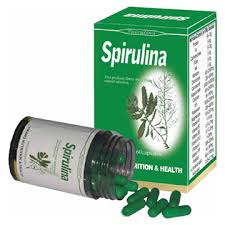
Did You Know that Spirulina Prevents Anemia?


First of all, what is spirulina? 

Spirulina is an algae, a type of plant that thrives in sea water.   

Spirulina is known to be very rich in iron. In fact, it has 58 times more iron than raw spinach and 28 times more than raw beef liver. We thought all along that beef liver is the best source of iron. However with this new development, spirulina now has the reputation of having a very high iron content than those foods that our mothers used to feed us to prevent iron deficiency.

Why is iron so important and why do we need this important mineral in our diet?

Iron protects the body from anemia which occurs when the body does not get enough of the amount needed in order for the body to function properly.

Anemia is a disease that involves the blood particularly a problem in the manufacture of hemoglobin, the part of the blood that contains iron and transports blood within the red blood cells. This defect results in the production of red blood cells that are smaller and whose hemoglobin content is significantly reduced.

How do you know you lack iron in your diet?

You will know your body needs a dose of iron if you have these symptoms:

1. Tiredness and fatigue
2. Lethary (body has very low energy )
3. Restless leg syndrome
4. Dizziness and headaches
5. Ringing in the ears (tinnitus)
6. Shortness of breath
7. Impaired taste buds
8. Cracked mouth corners
9. Very pale skin and conjunctiva of the eyes
10. Brittle and flat nails.

Friday, April 18, 2014

How Spirulina Keeps You In Good Health


Spirulina comes from a class of bacteria that gets their energy from sunlight. It can be found in many places in land and in water such as lakes, seas and oceans, bare soil and rocks, and moist areas in desert lands.

Spirulina contains the following substances that are good for you:

It contains 60% proteins and all the 8 essential amino acids
It contains a significant amount of beta carotene
It is considered the best source of gamma linoleic acid.
It is a good source of vitamin B, trace elements, chlorophyll, enzymes and minerals.
Spirulina contains vitamins B1, B2, B3, B6, and vitamin B9. It is also rich in vitamin A, C, D and vitamin E and a rich source of potassium, sodium, calcium, phosphorous, selenium, zinc, chromium, copper, iron, manganese and magnesium.

It also contains beta-carotene, in fact 3100% more beta-carotene than carrots, chlorophyll and other types of microscopic algae. It is a rich source of the fatty acids found in fish such as eicosapentaenoic acid, and docosahexaenoic acid, gamma-linolenic acid, linoleic acid, alpha-linoleic acid, stearidonic acid and arachidonic acid.

Spirulina is an effective chelating agent. It removes toxic minerals and radioactive substances from the body.

It protects the heart against damage caused by chemotherapy, protects against memory loss due to aging, lateral sclerosis and hay fever.

Experiments conducted on laboratory animals show that spirulina does not participate in the body’s metabolism and therefore does not contribute to a person’s weight loss efforts in other words spirulina does not help you lose body fats. 


Some people with business interest in spirulina claim that it is a good source of vitamin B12. However, the American Dietetic Association and the Dietitians of Canada declared that spirulina is actually not a reliable source of vitamin B12 because its content is a pseudovitamin B12 which is not used for human consumption.