Wednesday, April 23, 2014

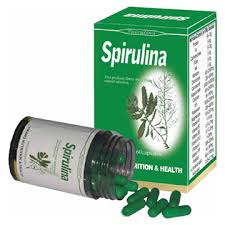
Did You Know that Spirulina Prevents Anemia?


First of all, what is spirulina? 

Spirulina is an algae, a type of plant that thrives in sea water.   

Spirulina is known to be very rich in iron. In fact, it has 58 times more iron than raw spinach and 28 times more than raw beef liver. We thought all along that beef liver is the best source of iron. However with this new development, spirulina now has the reputation of having a very high iron content than those foods that our mothers used to feed us to prevent iron deficiency.

Why is iron so important and why do we need this important mineral in our diet?

Iron protects the body from anemia which occurs when the body does not get enough of the amount needed in order for the body to function properly.

Anemia is a disease that involves the blood particularly a problem in the manufacture of hemoglobin, the part of the blood that contains iron and transports blood within the red blood cells. This defect results in the production of red blood cells that are smaller and whose hemoglobin content is significantly reduced.

How do you know you lack iron in your diet?

You will know your body needs a dose of iron if you have these symptoms:

1. Tiredness and fatigue
2. Lethary (body has very low energy )
3. Restless leg syndrome
4. Dizziness and headaches
5. Ringing in the ears (tinnitus)
6. Shortness of breath
7. Impaired taste buds
8. Cracked mouth corners
9. Very pale skin and conjunctiva of the eyes
10. Brittle and flat nails.

Friday, April 18, 2014

How Spirulina Keeps You In Good Health


Spirulina comes from a class of bacteria that gets their energy from sunlight. It can be found in many places in land and in water such as lakes, seas and oceans, bare soil and rocks, and moist areas in desert lands.

Spirulina contains the following substances that are good for you:

It contains 60% proteins and all the 8 essential amino acids
It contains a significant amount of beta carotene
It is considered the best source of gamma linoleic acid.
It is a good source of vitamin B, trace elements, chlorophyll, enzymes and minerals.
Spirulina contains vitamins B1, B2, B3, B6, and vitamin B9. It is also rich in vitamin A, C, D and vitamin E and a rich source of potassium, sodium, calcium, phosphorous, selenium, zinc, chromium, copper, iron, manganese and magnesium.

It also contains beta-carotene, in fact 3100% more beta-carotene than carrots, chlorophyll and other types of microscopic algae. It is a rich source of the fatty acids found in fish such as eicosapentaenoic acid, and docosahexaenoic acid, gamma-linolenic acid, linoleic acid, alpha-linoleic acid, stearidonic acid and arachidonic acid.

Spirulina is an effective chelating agent. It removes toxic minerals and radioactive substances from the body.

It protects the heart against damage caused by chemotherapy, protects against memory loss due to aging, lateral sclerosis and hay fever.

Experiments conducted on laboratory animals show that spirulina does not participate in the body’s metabolism and therefore does not contribute to a person’s weight loss efforts in other words spirulina does not help you lose body fats. 


Some people with business interest in spirulina claim that it is a good source of vitamin B12. However, the American Dietetic Association and the Dietitians of Canada declared that spirulina is actually not a reliable source of vitamin B12 because its content is a pseudovitamin B12 which is not used for human consumption.


Tuesday, February 4, 2014

Virgin Coconut Oil Is Great For Weight Loss


Virgin coconut oil does not make you fat which means this oil is great for those pursuing a weight loss program. If you love to eat macaroons, or certain food cooked in coconut oil or other coconut based food items, you don't have to worry. The fats in the coconut oil does not make you fat because it does not remain in your body which would otherwise have contributed to your weight gain.

The reason for this is the presence of medium-chain fatty acids (MCFA) in the coconut oil. Medium-chain fatty acids are fats that are easily oxidized and does not remain in the adipose tissues consequently helping you in your weight loss efforts which would result to a lean body free of excess fat and flabs.

Virgin coconut oil contains a combination of long-chain fatty acids (LCFAs) and medium-chain fatty acids (MCFAS).  MCFAs are easily absorbed and processed in the body even without the aid of the enzyme pancreatic lipase.

LCFAs on the other hand require the presence of the hormone pancreatic lipase for absorption in the intestines. They are carried to the liver by the lymph by systemic circulation where these LCFAs go through conversion to cholesterol, beta oxidation, or produced as triglycerides. LCFAs conversion to cholesterol is one reason why this kind of fatty acid does not help in weight loss.

MCFAs are transported to the liver through its main blood pathway, the hepatic portal vein where they undergo rapid oxidation and are transforme into energy ready to be utilized by the body leaving no chance of remaining in the body as belly fat.

Unlike the LCFAs, MCFAs are not involved in the choletesterol production cycle and therefore do not get to be part of the fats deposited in the body's fatty tissues which ultimately contributes to a person's sucessful weight loss efforts.

Virgin coconut oil (VCO) contains fatty acids, iodine, lauric acid, phenols, triacyglycerols, peroxide, anisidine, free fatty acids, and saponification.